Visual awareness
Art & Awareness
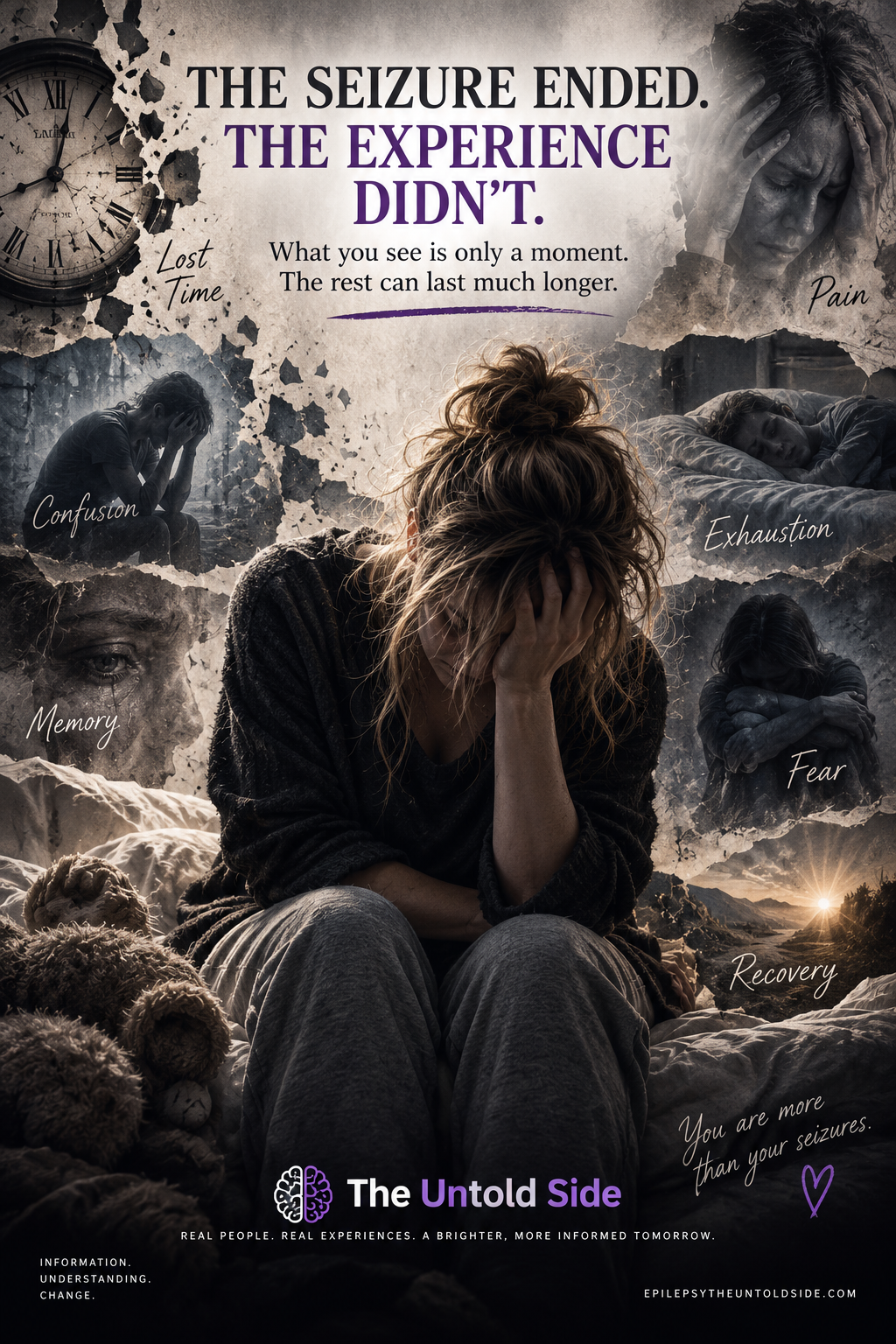
Some parts of epilepsy are easier to recognise in an image than in a paragraph. This space brings those hidden experiences into view through original posters and artwork.
Jump straight in
What belongs here: visual work that explains, reflects or challenges assumptions about epilepsy. Each piece can stand alone, while related medical information is linked separately where appropriate.
Why art has a place here
Epilepsy is often described with clinical language: seizure types, tests, medicines and risk. Art can show another layer — lost time, fear, exhaustion, isolation, recovery, memory, uncertainty and the experience of being misunderstood.
The artwork here is not used as medical evidence. Its purpose is awareness: to help make an experience visible, start a conversation or give someone words for something that is difficult to explain.
How to use this gallery
Look
Each piece focuses on one aspect of epilepsy or recovery rather than trying to explain everything at once.
Read
Where a poster connects to a medical subject, related information is kept separately in the reference library or Deep Dives.
Share thoughtfully
Awareness work can be shared to open discussion, while copyright and permission requirements still apply.
How awareness pieces are presented
Each visual piece should make sense on its own, but it should not be mistaken for a medical reference page. Where a poster touches on diagnosis, treatment, recovery or risk, the supporting clinical information is linked separately so readers can move from awareness into evidence.
Original visual work
Artwork and posters are created for The Untold Side rather than copied from another campaign or organisation.
Context where needed
A short caption can explain the idea behind a piece without turning the artwork into a dense medical infographic.
Evidence stays separate
Research claims belong in the reference library or Deep Dives, where they can be sourced and updated properly.
Featured awareness work

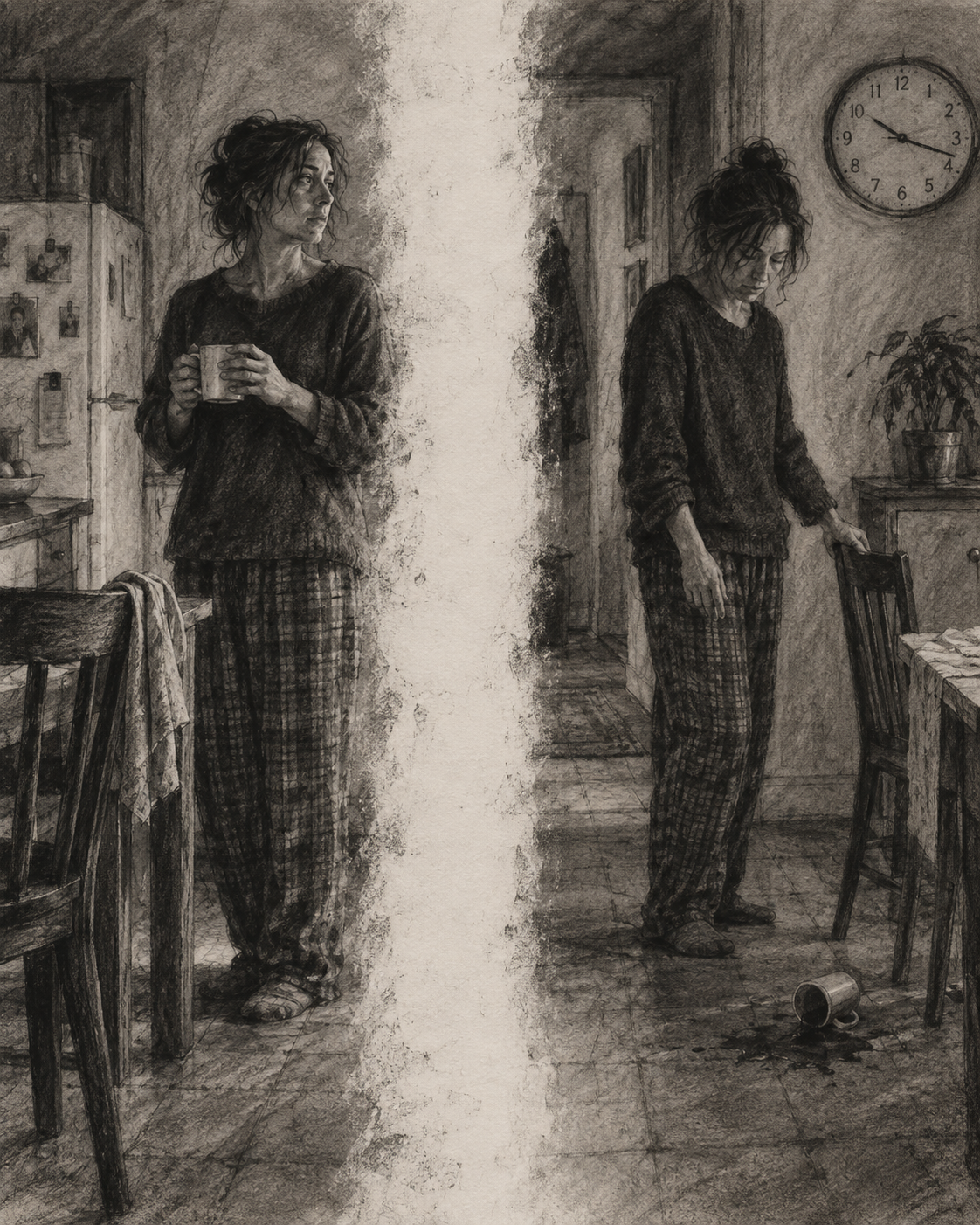
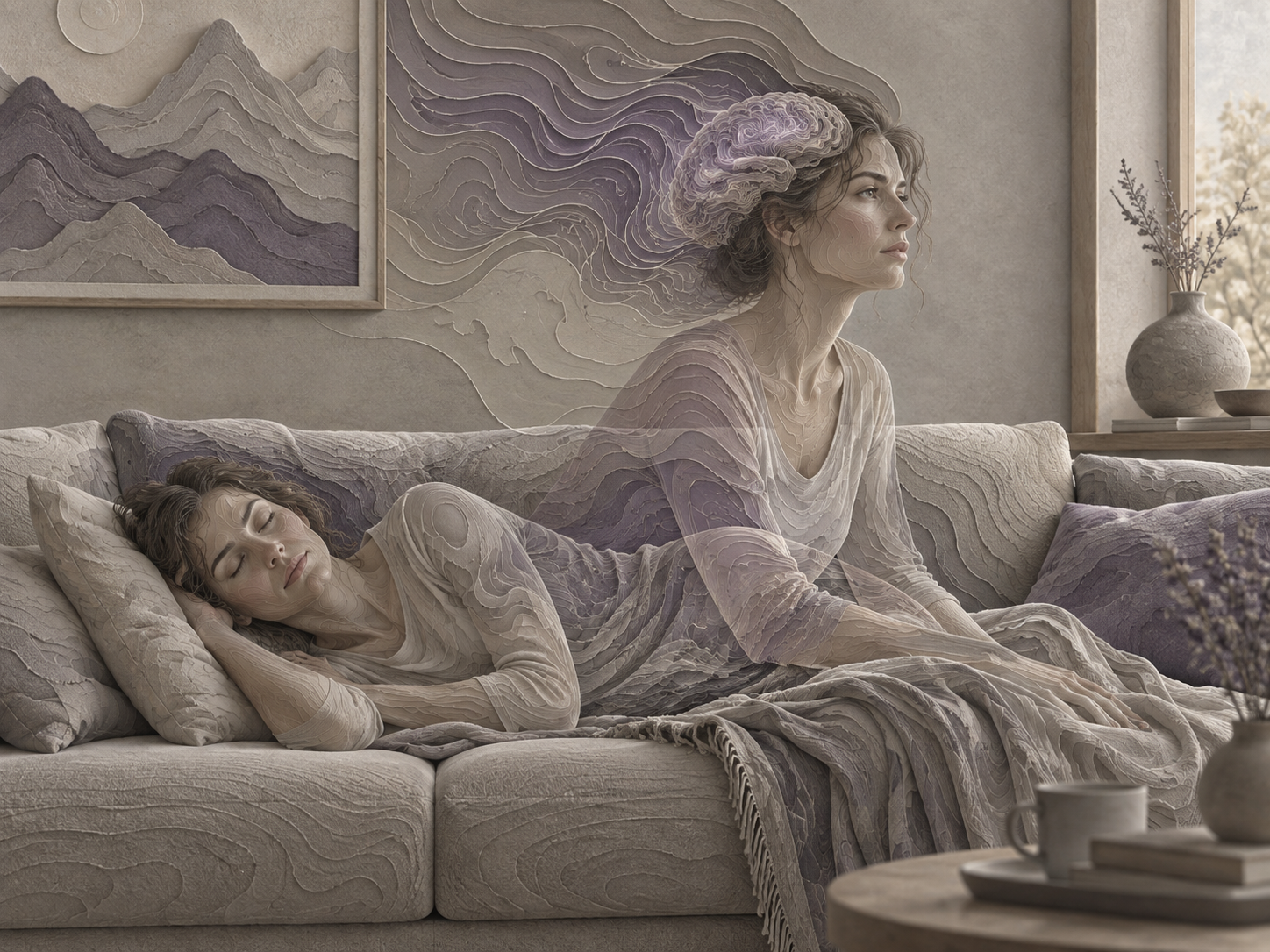
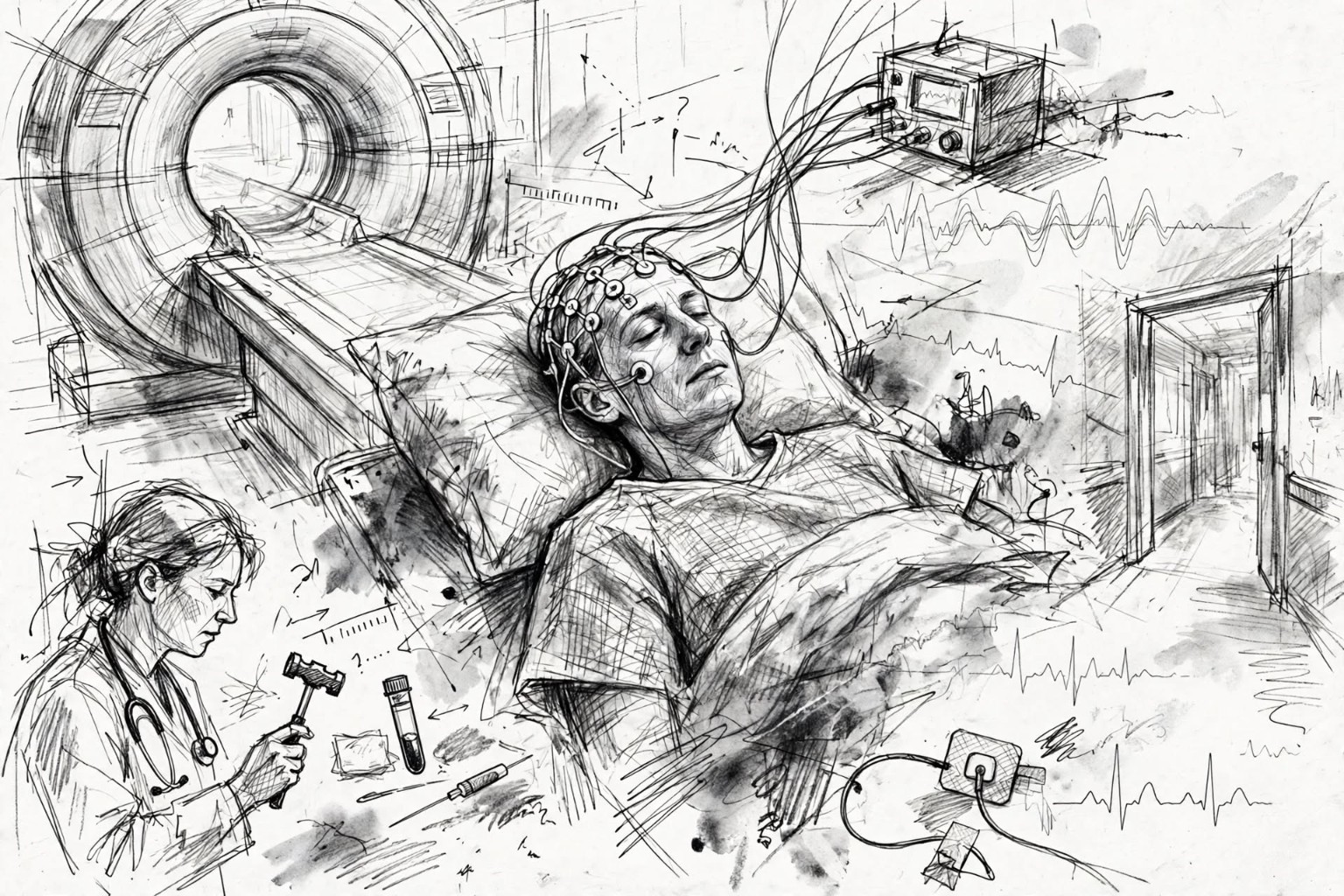
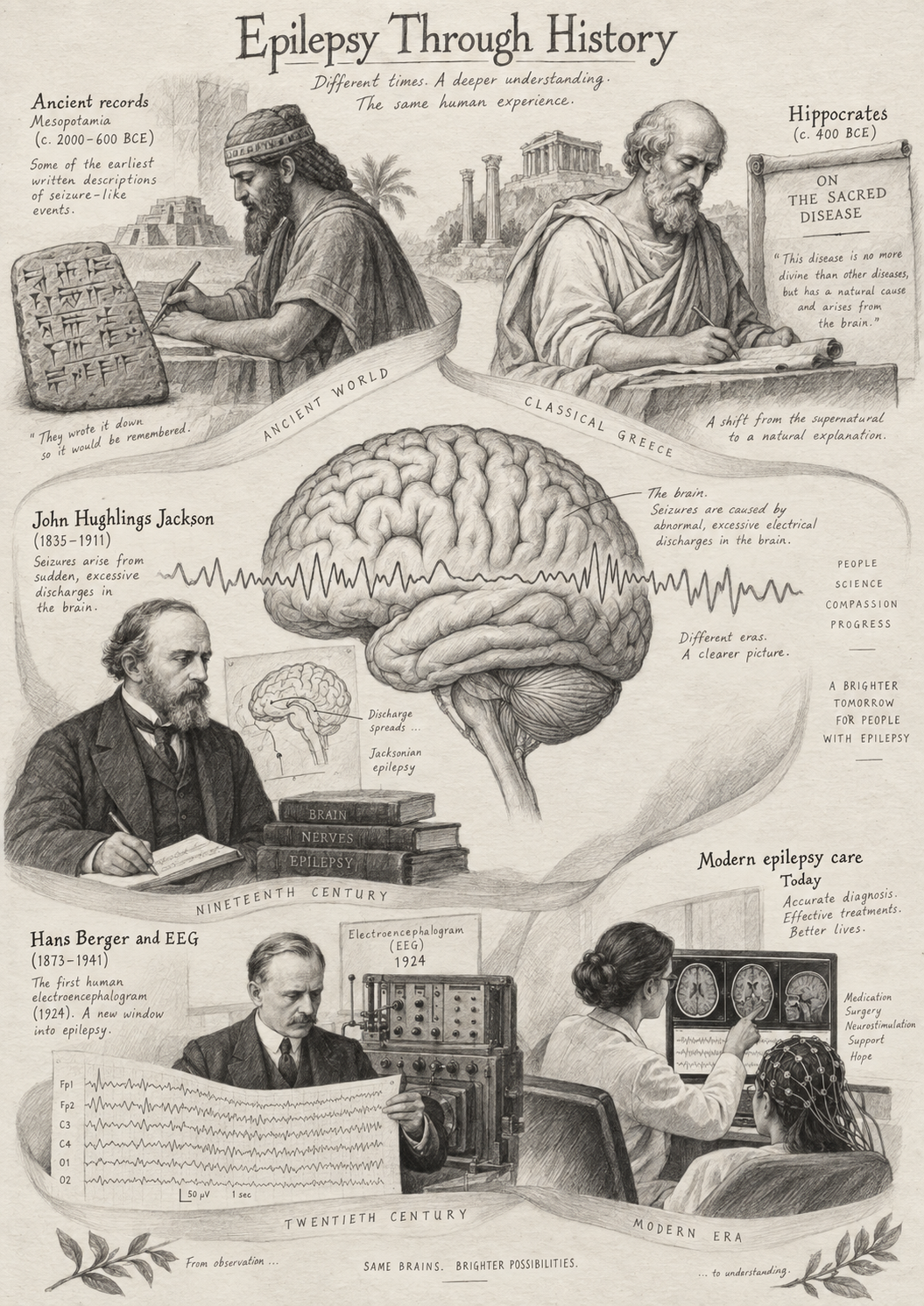
Want the information behind the artwork?
Use Understanding Epilepsy for permanent reference pages and Deep Dives for focused researched questions.